
Podcast | Patient Care Teams Aren't Just Clinical
Vistelar COO Casey Goldschmidt was a featured guest speaker on the Security Nurse Podcast! Casey Goldschmidt, Chief Operating Officer at Vistelar, was honored ...
Building Safe And Respectful Workplaces


Vistelar COO Casey Goldschmidt was a featured guest speaker on the Security Nurse Podcast! Casey Goldschmidt, Chief Operating Officer at Vistelar, was honored ...
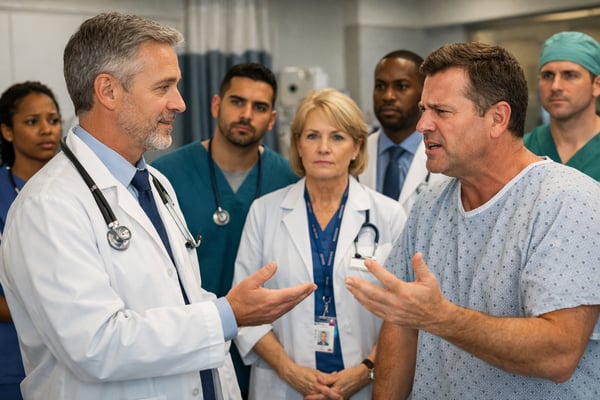
About This Article This article, written by Vistelar's Chief Clinical Officer, Dr. Julibeth Lauren, PhD, APRN, ACNS-BC, CENP, is organized into two sections ...
The Minnesota Hospital Association (MHA) has selected Vistelar, LLC as an Endorsed Business Partner (EBP), recognizing the company's leadership in helping ...

When healthcare organizations invest in workplace violence prevention training, they often use the term “de-escalation” as an umbrella term for the approach to ...

Crowds are a hallmark of the holiday season. Whether at a Christmas market, shopping mall, or holiday parade, families often find themselves ...
Agreement provides verbal and physical conflict management training to all Meeker staff
“Good Speak: Non-Escalation Strategies for Healthcare” — Episode 35 Co-host: Marcus—former healthcare security director Co-host: Natalie—nurse practitioner and ...
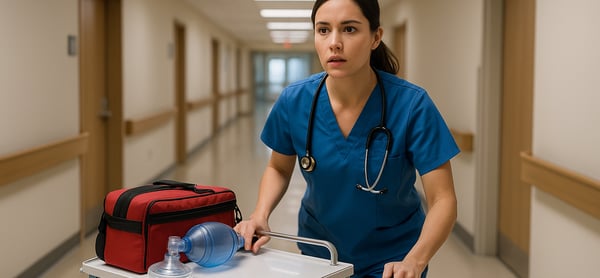
This article is Part 3 of a three-part series on the importance of Patient Care Safety Monitors. Click here to read Part 1, or click here to read Part 2. Every ...

This article is Part 2 of a three-part series on the importance of Patient Care Safety Monitors. Click here to read Part 1, or click here to read Part 3. ...

This article is Part 1 of a three-part series on the importance of Patient Care Safety Monitors. Click here to read Part 2, or click here to read Part 3 . In ...