
Surviving Hostage Situations in Healthcare Active Assailant Attacks
Active assailant incidents in healthcare facilities present one of the most extreme challenges for staff, patients, and security professionals. While the ...
Building Safe And Respectful Workplaces


Active assailant incidents in healthcare facilities present one of the most extreme challenges for staff, patients, and security professionals. While the ...
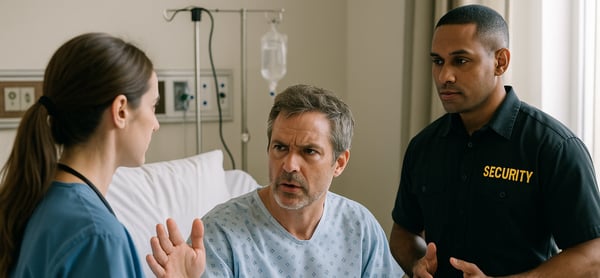
Healthcare organizations have embraced de-escalation training as a cornerstone of workplace violence prevention. These programs typically aim to prevent ...

Healthcare organizations rely heavily on incident reporting systems to identify and address safety concerns, including workplace violence. These systems ...
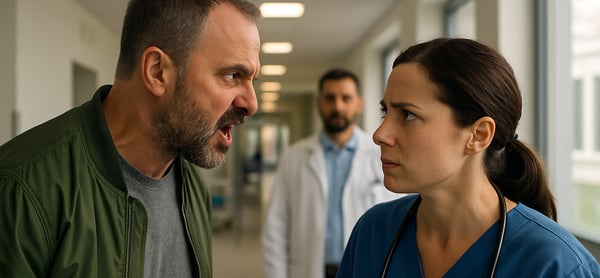
In healthcare environments where resources are limited and demands are high, triage represents a fundamental organizing principle. Clinical triage sorts ...
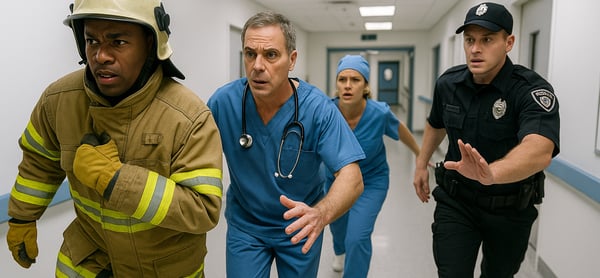
Healthcare organizations conduct regular safety drills to prepare for emergencies ranging from fires and natural disasters to active shooters and mass casualty ...

In a healthcare setting, the first three seconds of an interaction often determine whether a situation will escalate or stabilize. This critical window—from ...
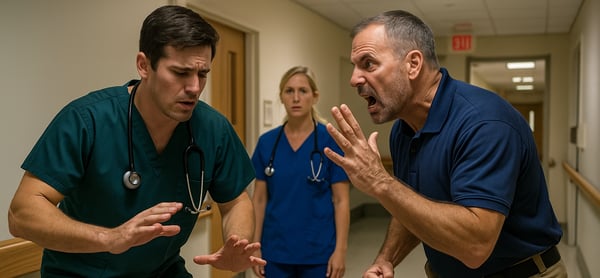
Under extreme stress, humans don't rise to the occasion—they fall to their level of training. This reality holds profound implications for healthcare ...

In healthcare settings where lives depend on accurate information exchange, listening isn't just a courtesy—it's a critical safety practice. Yet despite its ...

Healthcare faces a communication crisis that endangers patients, burns out clinicians, and compromises care quality. While clinical advances accelerate at ...

Healthcare organizations frequently respond to communication challenges by creating scripts—standardized language that staff are instructed to use in various ...