
From Policy to Practice: Embedding Respect into Hospital Culture
Healthcare organizations universally include respect and dignity in their core values. Walk through any hospital lobby, and you'll likely see these words ...
Building Safe And Respectful Workplaces


Healthcare organizations universally include respect and dignity in their core values. Walk through any hospital lobby, and you'll likely see these words ...

In healthcare environments, personal protective equipment (PPE) is non-negotiable. No responsible clinician would examine a patient with a highly contagious ...

When healthcare organizations assess workplace safety risks, their focus typically lands on patient-to-staff violence, environmental hazards, or procedural ...

Most healthcare organizations have meticulously developed protocols for nearly every physical safety concern. There are specific steps to follow for needle ...

In healthcare environments, unpredictability is often the spark that ignites workplace violence. When patients, families, or even staff don't know what to ...

In healthcare settings, first impressions aren't just about customer service—they're critical safety moments that set the tone for everything that follows. ...

When most healthcare organizations discuss safety, the conversation typically revolves around physical hazards—needle sticks, patient falls, medication errors, ...

Healthcare environments inherently expose professionals to traumatic experiences—from workplace violence to patient deaths, from ethical dilemmas to system ...
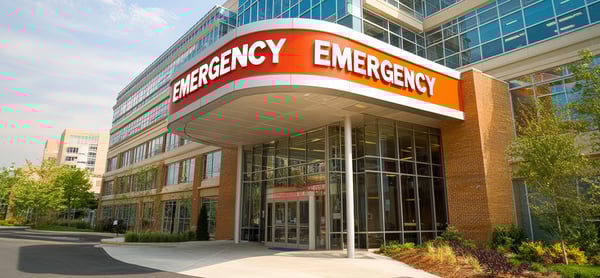
If you’ve worked in a hospital emergency department, you know it’s a pressure cooker. Crowded rooms. High-stakes decisions. Emotions running high. It’s no ...

Amid the ongoing healthcare staffing crisis, organizations cannot afford to overlook one of the most significant drivers of turnover–– workplace violence. With ...