Skip to content
mobile-alt icon

877-690-8230

Vistelar Blog

Building Safe And Respectful Workplaces

Schedule Discovery Call
Train With Us

Posts about De-Escalation (9)

Why Training to be Calm and Confident Under Pressure is Crucial

Why Training to be Calm and Confident Under Pressure is Crucial

In healthcare's high-pressure environment, a crucial professional capability often goes unrecognized and untrained: emotional regulation under stress. While clinical skills receive rigorous attention during professional education, the ability to maintain psychological equilibrium amid challenging situations is frequently left to develop through painful trial and error—if it develops at all.

Read More

Enhancing Preparedness: A Guide to Active Shooter Response in Hospitals

Enhancing Preparedness: A Guide to Active Shooter Response in Hospitals Featured Image

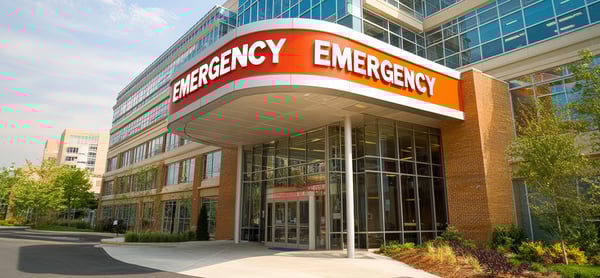
If you’ve worked in a hospital emergency department, you know it’s a pressure cooker. Crowdedrooms. High-stakes decisions. Emotions running high. It’s no surprise that violence is a growingthreat in these environments—and yet, most hospital staff still feel unprepared for an activeshooter event.

That has to change.

Read More

When Silence Hurts: Breaking the Stigma of Speaking Up in Healthcare Teams

When Silence Hurts: Breaking the Stigma of Speaking Up in Healthcare Teams featured image

In healthcare settings, silence can be as dangerous as the most obvious safety hazard. When team members stay quiet about their distress, concerns, or experiences, particularly those related to workplace violence, the consequences ripple throughout the organization, affecting individual well-being, team dynamics, and ultimately patient care.

Read More

How Communication Culture Impacts Mental Health at Work

How Communication Culture Impacts Mental Health at Work Featured Image

Key Takeaways

  • Disrespectful communication activates the brain's threat response, triggering stress hormones that impair cognitive function and increase risk of burnout over time.
  • Healthcare organizations that build cultures of respectful communication report lower rates of staff anxiety, depression, and turnover compared to those that do not.
  • Structured communication frameworks, including...
Read More

Leadership's Role in Supporting Frontline Mental Health

Leadership's Role in Supporting Frontline Mental Health Featured Image

Key Takeaways

  • Frontline healthcare workers face compounding stressors including workplace violence, staffing shortages, and high patient acuity; leadership decisions directly determine whether staff have the support structures to manage them.
  • Effective mental health support is not a single program but a system built across five domains: peer support, conflict coaching, structured debriefing,...
Read More

Burned Out: The Emotional Toll of Workplace Violence

Burnout and Danger: The Emotional Cost of Healthcare Violence

Healthcare professionals enter the field with a desire to help others, but many find themselves facing a reality far removed from this noble intention. In reality, they often become targets of verbal abuse, threats, and physical violence from the very people they're trying to help. While the physical dangers of workplace violence have started to receive significant attention, the psychological...

Read More

Verbal Defense ROI: How Communication Training Reduces Liability Costs

Verbal Defense ROI: How Communication Training Reduces Liability Costs

In an increasingly litigious healthcare environment, organizations face growing exposure to liability claims related to workplace interactions. From patient confrontations to staff disputes, how your team communicates directly impacts your legal and financial risk. Effective verbal defense training offers a powerful risk mitigation strategy with a measurable return on investment.

Read More

Reducing Workplace Violence to Improve Staff Safety & Retention

Reducing Workplace Violence to Improve Staff Safety & Retention

Amid the ongoing healthcare staffing crisis, organizations cannot afford to overlook one of the most significant drivers of turnover–– workplace violence. With nearly one in four nurses reporting being physically assaulted at work and many more experiencing verbal abuse, healthcare organizations face a direct connection between workplace safety and staff retention.

Read More

Vistelar Raises the Bar on Workplace Violence Training

Vistelar Raises the Bar on Workplace Violence Training Featured Image

In today's healthcare landscape, de-escalation training has evolved from a recommended practice to an essential compliance requirement. The alarming rise in workplace violence incidents against healthcare workers has prompted regulatory bodies to implement increasingly stringent standards and requirements.

Read More