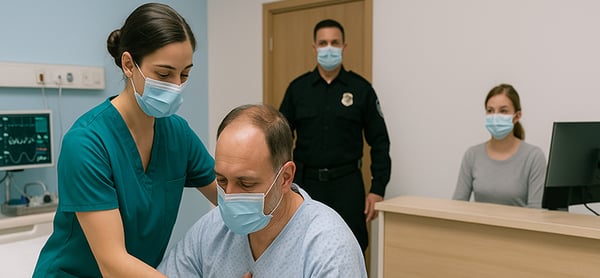
Safety Isn't a Department—It's an Interdepartmental Discipline
In many healthcare organizations, safety is often compartmentalized, relegated to a specific department or committee that meets periodically to review ...
Building Safe And Respectful Workplaces


In many healthcare organizations, safety is often compartmentalized, relegated to a specific department or committee that meets periodically to review ...

As Mental Health Awareness Month prompts reflection on workplace well-being initiatives, many healthcare organizations will highlight their wellness ...

In healthcare settings, managing escalating patient encounters isn't just about preventing physical harm—it's equally about protecting the psychological ...

While discussions of healthcare workplace violence often focus on patient and visitor aggression, a more insidious form of violence silently damages ...

Most healthcare organizations offer mental health resources, but fewer have built the systemic infrastructure needed to prevent psychological harm before it ...

Healthcare environments inherently expose professionals to traumatic experiences—from workplace violence to patient deaths, from ethical dilemmas to system ...

In healthcare's high-pressure environment, a crucial professional capability often goes unrecognized and untrained: emotional regulation under stress. While ...
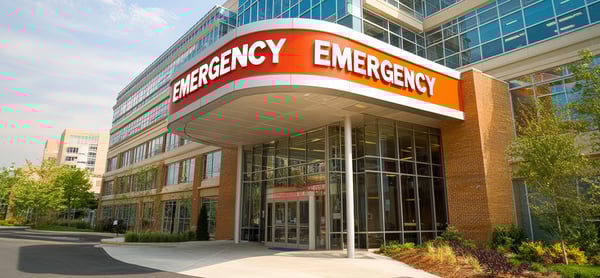
If you’ve worked in a hospital emergency department, you know it’s a pressure cooker. Crowded rooms. High-stakes decisions. Emotions running high. It’s no ...

In healthcare settings, silence can be as dangerous as the most obvious safety hazard. When team members stay quiet about their distress, concerns, or ...

Key Takeaways Disrespectful communication activates the brain's threat response, triggering stress hormones that impair cognitive function and increase risk of ...