Training That Holds Between Annual Sessions:
Microlearning for Workplace Violence Prevention
Why using short, role-based lessons to keep conflict management skills current works without pulling more staff away from patients.
Annual training is an event. Skill under pressure has to last all year.
Microlearning keeps good training from fading.
- Repeated practice on skills staff were already taught, close to the moment they need them
- Focused lessons for the roles that need them most
- Timely refreshers that follow a trend showing up in incident reports this month
What will you be able to do after watching this resource?
- Explain why short, repeated practice holds. See how adult learning principles make microlearning a force multiplier for safety culture in a fast-moving clinical environment.
- Match lessons to roles and real-time trends. Assign lessons by role, by unit, and by what incident data is showing now, and know when a full session is needed instead.
- Sustain skills with less time off the floor. Keep staff practiced and show competency without adding classroom hours.
- Plan training time across the year. Build an annual plan that spreads practice across the calendar instead of concentrating it in one session.
Who Should Watch?
This session is built for organizations that treat workplace violence prevention as an ongoing capability. Job roles that may be most interested:- Operational leaders in hospitals and health systems
- Chief Nursing Officers and nursing leadership
- Clinical education and nursing professional development leaders
- Quality and patient safety leaders
- Human resources partners responsible for workforce training

Meet the Speakers

Katie Richards, M. Ed
Clinical Content Development Specialist, Vistelar | Linkedin Profile
My background includes leading training efforts across cross-functional teams and working closely with SMEs in clinical care, customer support, sales, product launch, and technical operations. I design practical learning solutions using approaches like ADDIE, SAM, and backward design, with a focus on real-world performance. My goal is to build learning that not only meets compliance needs, but also helps people do their jobs better and supports overall business goals.

Dr. Bass
VP Clinical Operations, Vistelar | Linkedin Profile
Dr. M. Dustin Bass, DNP, MHA, RN, CEN, NEA-BC is a healthcare executive, speaker, author, and legal nurse consultant with more than 15 years of leadership experience across academic medical centers and integrated health systems. Championing innovation, leadership, and the advancement of emergency care through his philosophy: “The Power of Us.”
Key Takeaways: Your Role Saves Lives
- Observation = protection
- Communication = trust
- Documentation = safety + legal defense
- Emergency readiness + self-care = sustained effectiveness
- “When you protect yourself, you protect your patients.”
Downloadable Resources:
🔗 Patient Care Safety Monitor Simulation — Debrief Guide
🔗 Patient Care Safety Monitor — Safety Pledge
Related Three-Part Blog Series:
Part 1: Understanding the Role of Patient Care Safety Monitors
Part 2: Beyond the Chart—How Communication & Documentation Save Lives
Part 3:Seconds Matter—Emergency Response, Self-Care, and Staying Ready
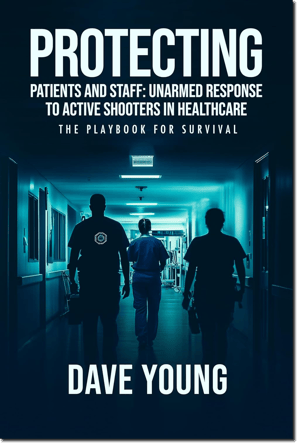
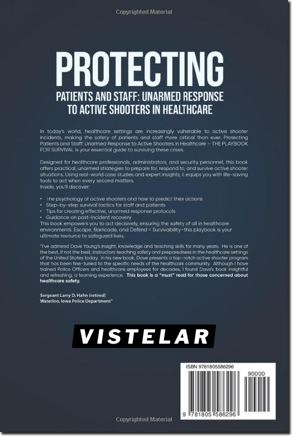
To get Dave Young’s book, Protecting | Patients and Staff: Unarmed Response to Active Shooters in Healthcare | The Playbook for Survival, click on the link to purchase it for a $5 discount and FREE shipping (normally $24.97 + cost of shipping). To get the full discount, simply choose the shipping option shown and it will automatically apply to the final price.